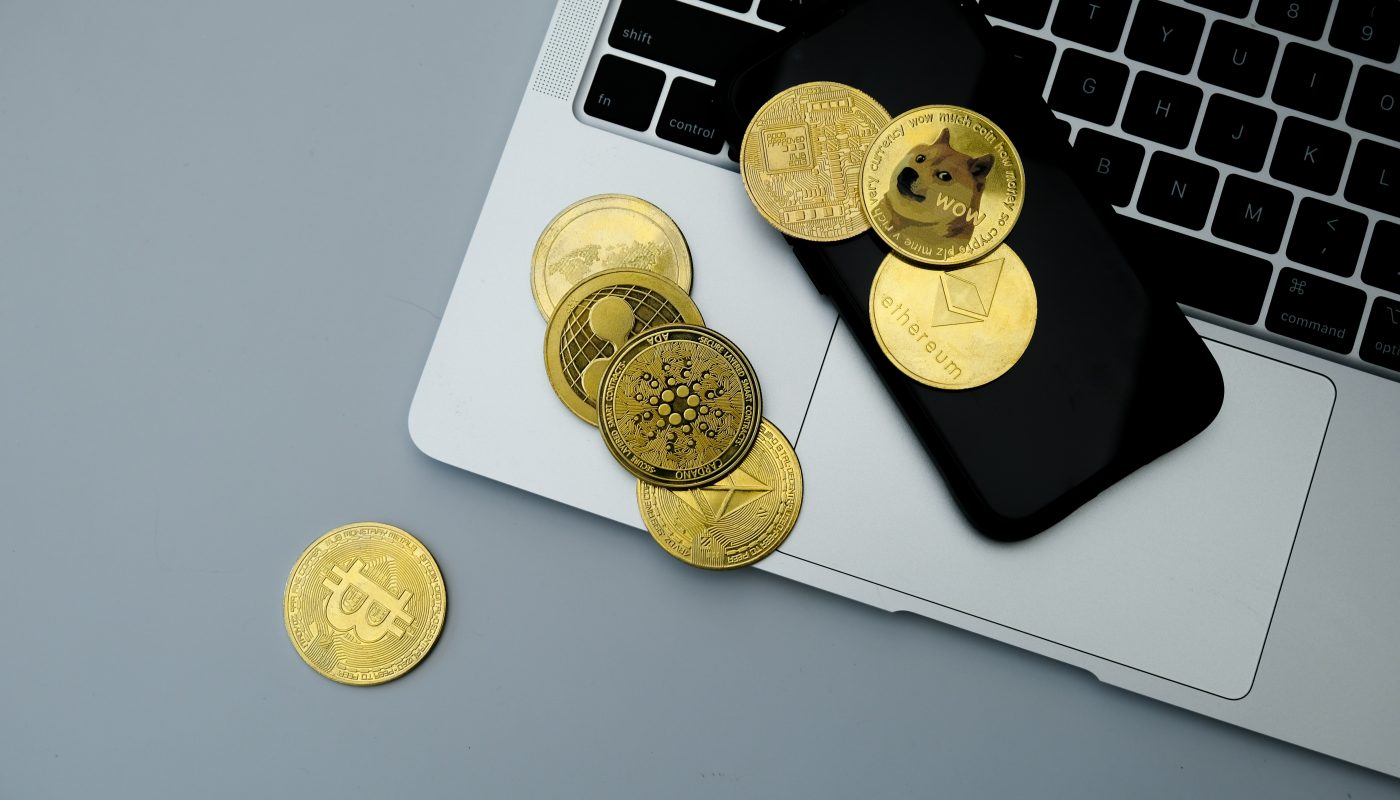
The rise of cryptocurrency has changed the way people think about money, investments, and financial freedom. What used to be limited to buying Bitcoin or Ethereum on exchanges has now evolved into a world where you can earn crypto directly from your smartphone using apps. However, as the industry grows, so do the scams. Thousands of people have lost money and even valuable personal data by trusting fake crypto earning apps that promised unrealistic rewards.
In this guide, we’ll walk you through everything you need to know about legitimate crypto earning apps versus scams. By the end of this blog, you’ll understand how to spot red flags, how real earning apps work, and how to safely maximize your chances of building wealth with your smartphone.
Why Crypto Earning Apps Are Popular
With more people using smartphones daily, crypto earning apps have become a gateway for beginners to step into the world of digital assets. The biggest reasons behind their popularity are:
- Accessibility: Anyone with a phone and internet can start.
- Low barriers to entry: Unlike trading, many apps let you earn with little or no investment.
- Multiple earning models: From watching ads, playing games, and completing surveys to staking coins and providing liquidity.
- Fast rewards: Some apps let you withdraw within minutes.
But with popularity comes risk, which is why distinguishing legit platforms from scams is crucial.
How Legit Crypto Earning Apps Work
Legit apps have transparent business models. They don’t give away free money; instead, they share revenue with users or incentivize behaviors that benefit their ecosystem. Examples include:
- Ad-based rewards – Apps pay you in crypto for watching short ads.
- Play-to-Earn gaming – Games reward tokens for completing levels or challenges.
- Staking & Yield – Apps let you lock tokens and earn interest.
- Microtasks & Surveys – Companies pay in crypto for feedback or tasks.
- Learning rewards – Platforms reward users for completing blockchain-related courses.
These models ensure the company has revenue streams to pay users, making the system sustainable.
Common Crypto Scam Tactics
Fraudulent apps thrive on false promises and emotional manipulation. Here are the most common tactics:
- Guaranteed Returns
If an app promises you “earn $100 daily without effort,” it’s a red flag. No legitimate business can guarantee such returns. - High Withdrawal Minimums
Scam apps often let you “earn” quickly, but when you try to withdraw, they set extremely high limits (like $500 minimum). - Fake Reviews & Downloads
Fraud apps buy fake reviews and inflate download numbers to look legitimate. - Pyramid & Referral Schemes
Many scams push users to invite more people, focusing on growth rather than a real product. - No Transparency
If there’s no information about who runs the app, its business model, or company details, avoid it.
Real-Life Examples of Crypto Scams
- Ponzi Schemes Disguised as Apps – Some apps only pay older users with new user deposits.
- Fake Wallets – Designed to steal private keys.
- Mining Scams – Apps claim you can mine Bitcoin from your phone, but most are fake (real mobile mining isn’t profitable).
- Exit Scams – Apps work fine initially, then vanish once they collect enough deposits.
How to Identify Legit Crypto Apps
Here’s a checklist you can use before downloading or using a crypto earning app:
- Check Company Transparency: Is there a website, social media presence, or team info?
- Read Terms & Conditions: Legit apps explain how rewards are generated.
- Look at Payout Methods: Real apps use established wallets or exchanges.
- Test with Small Amounts: Never invest heavily right away.
- Check App Permissions: Avoid apps asking for unnecessary access (e.g., contacts, messages).
- Community Reviews: Check independent reviews on forums like Reddit.
The Psychological Traps of Scam Apps
Scammers use psychological tricks to lure victims:
- Fear of Missing Out (FOMO) – Promising “limited-time offers.”
- Greed Triggers – Showing fake screenshots of users making huge money.
- Urgency Pressure – Forcing you to act quickly before “the opportunity ends.”
- Social Proof – Hiring fake influencers to promote them.
Understanding these tactics helps you avoid emotional decisions.
Tips to Stay Safe
- Never Share Private Keys – No legit app will ever ask.
- Enable Two-Factor Authentication (2FA) – Add extra security to your wallet.
- Do Your Research – Spend at least 10 minutes researching before downloading.
- Use Trusted Exchanges for Withdrawals – Ensure the crypto you earn can be transferred out.
- Avoid “Too Good to Be True” Promises – If it sounds unreal, it likely is.
The Future of Crypto Earning Apps
The future looks bright as more companies integrate crypto payments into their apps. Emerging trends include:
- AI-integrated earning apps – Combining AI tasks with crypto payments.
- Blockchain-based micro-task platforms – Transparent earnings via smart contracts.
- DeFi on mobile – Direct staking and lending without middlemen.
- NFT-based earning systems – Play-to-earn evolving into true digital asset ownership.
As the industry matures, scams may decrease due to stricter regulations, but vigilance will always be necessary.
Conclusion
Crypto earning apps can be a fantastic way to dip your toes into the world of cryptocurrency, but you need to tread carefully. Legit apps are transparent, sustainable, and pay users fairly for tasks, ads, or contributions. Scams, on the other hand, rely on fake promises, hidden rules, and psychological tricks to exploit users.
The rule of thumb: Do your research, start small, and always trust your instincts. If an app feels shady, it’s better to walk away. Protect your money and data—because in the world of crypto, once it’s gone, it’s gone forever.